Pet Wellness Exams Prairieville Animal Hospital: Early Detection of Health Issues
@kameronjiay444
September 30, 2026 · 15 min read
When I first started hands-on practice in Prairieville, I learned a simple truth that shaped every family we serve: preventive care is easier on a pet and a wallet than chasing illness once it’s full blown. At Prairieville Animal Hospital, pet wellness exams are not a box to check but a careful, collaborative process. They are the quiet moment when a pet’s everyday behavior opens a window into their inner health. I’ve watched many owners arrive with a routine concern and walk away with a broader understanding of their animal’s lifelong needs. The difference is rarely dramatic in the moment, but over years it becomes the line between a stable, comfortable life and a preventable decline. This piece is about what those wellness exams look like on the ground, how early detection happens in real time, and what owners can expect when they bring a pet through our doors.
In Prairieville, our approach to wellness is practical and precise. We honor the trust that comes with bringing an animal into the clinic, and we respond with a plan that respects both the science of medicine and the realities of everyday pet ownership. A well exam is not a single test but a coordinated set of observations, measurements, and conversations. It starts with the human at the end of the leash or in the exam room corner, listening for the story behind the day to day. A dog who sleeps a little longer after a walk or a cat who grooms a touch less might signal anything from seasonal allergies to early kidney stress. The goal is not to scare owners with every possibility but to illuminate the most common, manageable issues before they become big problems. At Prairieville Animal Hospital, we measure success by the pet who leaves with a steady gait and a wag that still carries a spark.
What unfolds during a wellness exam is a careful triage of the animal’s physiology and a broader look at the environment in which the pet lives. The exam room at prairievilleanimalhospital.com might feel routine, but the questions we ask, the numbers we gather, and the tone we strike are anything but. The exam begins with a warm, calm welcome. We let the pet settle, watching for subtle cues about comfort and stress. A quiet moment often tells us more than a rushed checklist. Then the veterinarian conducts a head-to-tail assessment that blends listening and observation with precise measurements. We listen to the heart and lungs, assess the abdomen, and inspect the skin and coat. We check the eyes, ears, mouth, and teeth. We palpate the joints and muscles, palpate the abdomen for tenderness or organ size, and note any asymmetry in gait or posture. Every sense matters in these moments—from how the animal moves to how the owner describes the daily routine. A well exam is a conversation that translates into a plan tailor-made for that animal and that family.
The value of early detection cannot be overstated. In our experience, the most impactful wellness exams identify issues in a form that is still easily managed. A small 2 mm nodule in a dog’s belly might be nothing today, or it might herald a localized tumor months down the line. Detecting a slight elevation in blood work can flag early organ stress, long before a pet shows obvious signs of illness. When we catch something early, we are not merely treating a disease; we are extending meaningful months or years of life and maintaining quality of life. This perspective informs every decision we make in the exam room, from the timing of vaccines to the choice of diagnostic tests. It is easy to forget how much a pet can tell us through a pattern of changes in appetite, energy, or appetite that is sometimes subtle and at other times dramatic. Wellness exams give us the framework to interpret those clues with confidence and compassion.
In Prairieville, the plan for most patients starts with a scheduled routine visit that becomes the foundation for ongoing care. We encourage families to view these visits as a renewal of commitment rather than a one-off medical event. There are predictable seasonal patterns we monitor—things like parasite risk, dietary shifts, and changes in exercise routines—but every patient also carries a unique health fingerprint. A senior cat may require more frequent checks focused on kidney function and dental health; a young dog might benefit from gait assessment and weight management discussions that prevent orthopedic issues later on. The beauty of wellness exams lies in this adaptability. There is no one-size-fits-all script. Instead, there is a careful calibration of tests, observations, and recommendations that evolves with the pet’s age, breed predispositions, medical history, and the family’s lifestyle.
During a wellness exam we also consider preventive care in a broader sense. Vaccinations, parasite prevention, dental care, and weight management are all part of a broader strategy, not separate tasks that happen in isolation. In many ways, vaccines act as a gateway to a wider health conversation. They remind us to review vaccination history, assess exposure risks, and tailor a schedule that protects the animal without exposing them to unnecessary interventions. The preventive plan includes nutrition counseling, exercise suggestions, and environmental modification advice. A well-exam note is a map, not a verdict. It guides owners toward activities, foods, and routines that support long-term vitality, while leaving room to adjust as life brings new factors into the picture.
What a wellness exam looks like in practice goes beyond ticking boxes. It is a layered process, and the core components emerge through a steady rhythm of questions, measurements, and observations. The first hallmark is a comprehensive assessment that covers both systems and context. The heart and lungs are evaluated for rate, rhythm, and sounds, while the abdomen is checked for pain, distension, or unusual masses. The mouth reveals not only dental health but hints about metabolic or systemic issues that can manifest there first. The skin, coat, and fur patterns become a living map of nutrition, allergies, and environmental exposures. The musculoskeletal system is gently tested for range of motion, pain, or asymmetries that might indicate arthritis or injury. The ears are inspected for signs of infection or parasites, a common issue in our region due to seasonal changes and outdoor activities. The eyes are looked at for clarity, tear production, and the absence of cloudiness. And the overall demeanor—how the animal interacts with the room, the owner, and the veterinary team—offers essential cues about stress, pain, or discomfort.
To keep the momentum practical, we also document current medications, supplement usage, and recent dietary changes. We review any household toxins that could pose a risk, from household cleaners to plants that are a problem for curious mouths. We listen for changes in appetite and thirst, which can signal diseases ranging from thyroid disorders to diabetes. Sleep patterns, activity levels, and even litter box habits in cats are all part of the picture. The goal is not to label every outcome immediately but to identify red flags that warrant deeper investigation, sooner rather than later. This approach rests on a simple belief: veterinary care is a partnership. The vet presents data and recommendations, and the owner provides context, capabilities, and values that shape the next steps.
For families with multiple pets, wellness planning becomes a coordination exercise. We often find that aligning vaccination schedules, dental checkups, and weight management goals across several animals yields better adherence and lower stress for everyone involved. A shared calendar, a small notebook in the kitchen, or a digital reminder can turn a daunting routine into a predictable habit. The practical payoff is clear. When routine care becomes ingrained, the risk of missed vaccines or delayed treatment drops significantly, and the chance that a subtle health signal is overlooked dissolves.
One of the most common questions we hear is about the range of tests that might accompany a wellness exam. The answer is as individualized as the pets we see. For young, healthy animals, a physical exam and age-appropriate vaccines, plus basic parasite screening, may be sufficient. For senior pets or those with a medical history, we may add more targeted blood work, urinalysis, or imaging to establish a clearer baseline. The exact mix depends on the animal’s age, breed, risks, and the owner’s goals for care. We explain the purpose of each test in plain language, sharing the information that matters to daily life, not just lab results. If something looks off, we discuss the implications, the potential treatments, and the expected trajectory. We do not overpromise. We do not alarm without cause. We aim for transparency that respects the animal and the family.
With all the work that goes into wellness exams, many families wonder what they should bring to the appointment. It helps to arrive with a current medication list, any known allergies, and a rough timeline of the pet’s recent changes in behavior or energy. If you keep medical records or vaccination certificates, bringing those can prevent duplications or gaps. For new patients, a copy of the last vet records or a note about prior health concerns can quicken the process. We also encourage owners to observe their pet in the two weeks before the visit. Are there subtle shifts in appetite, a change in sleeping patterns, or a reluctance to jump or run? Those small signals can guide our discussion and ensure we address the most pressing concerns with the right tests and exams.
To help families visualize the core elements involved, here is a concise snapshot of the practical components that define a typical wellness exam at Prairieville Animal Hospital:
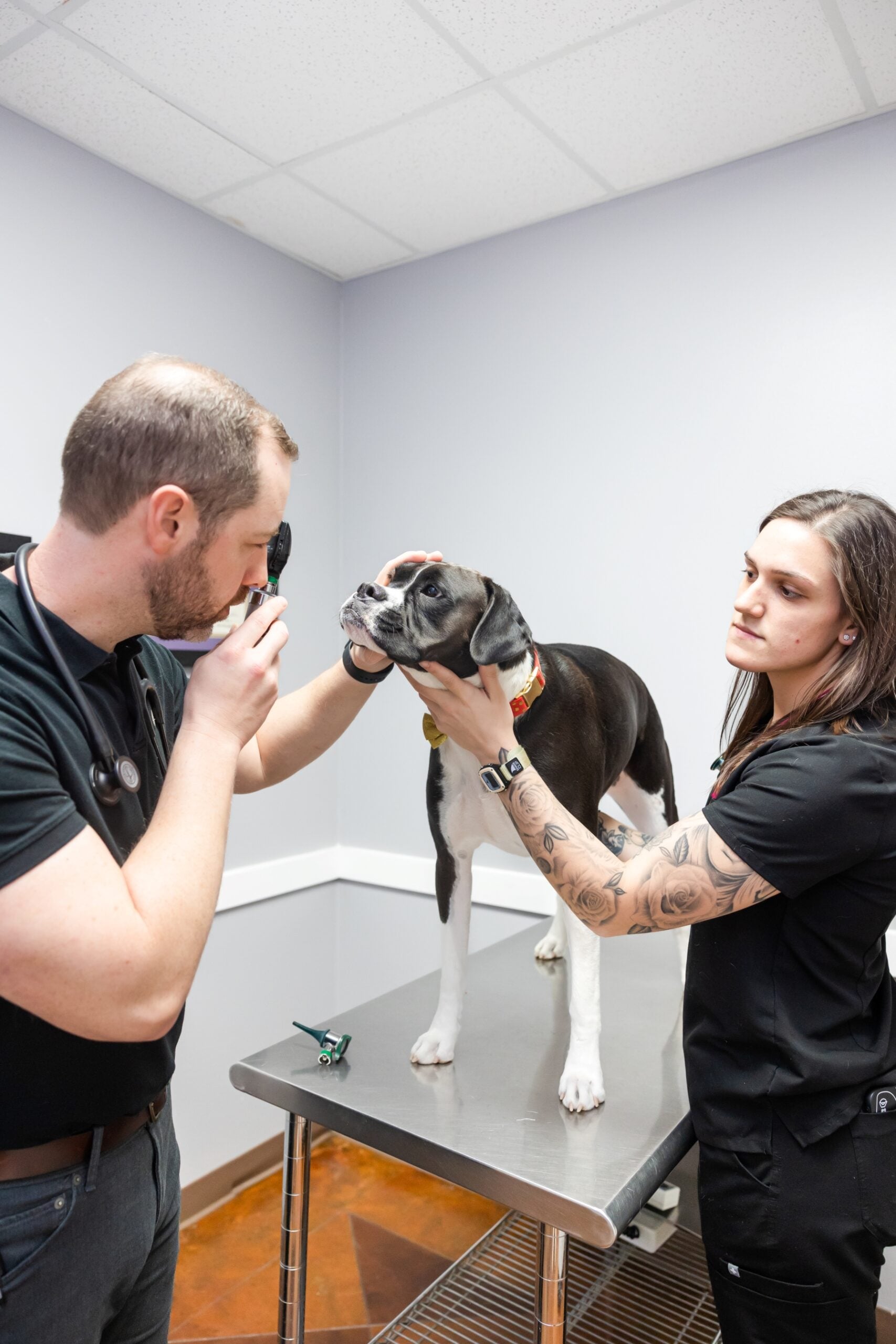
- A focused physical examination that covers heart, lungs, abdomen, skin, teeth, and joints.
- An assessment of behavior and mood, paying attention to signs of pain, anxiety, or hidden discomfort.
- Review of vaccination status and disease exposure risks, with updates as needed.
- Basic preventive screenings, such as parasite checks or metabolic markers based on age and risk.
- A collaborative plan that aligns medical findings with the family’s life, budgets, and goals.
Vaccinations are one of those touchpoints that crystallize the preventive mindset. They function as a shield against dangerous diseases while inviting a broader conversation about the animal’s environment, exposure risks, and overall wellness strategy. The vaccination schedule we recommend is not a rigid template. It is a living plan, adjusted with each visit to reflect the pet’s current health, lifestyle, and the diseases circulating in the community. We explain the rationale behind every vaccine, including which diseases are more prevalent in Prairieville and the windows of vulnerability that matter for each species and breed. This is not a sales pitch; it is a safety framework grounded in real-world experience. We aim to protect the pet from preventable illnesses while minimizing adverse reactions by choosing vaccines that are appropriate for the animal’s age and health status.
Paralleling vaccines is the importance of dental care. Dental health is not a cosmetic issue; it is a cornerstone of systemic health. In our practice, we see time and again how dental disease correlates with behavioral changes, appetite shifts, and even kidney and heart stress. During wellness exams, we assess tooth wear, gum health, tartar buildup, and the overall bite. When a dog or cat presents with mild gingival inflammation, we discuss a plan that may include professional cleaning, at-home dental care routines, and dietary considerations that support oral health. The evidence is practical: pets with clean teeth generally enjoy better energy, taste, and overall quality of life. The dental conversation is rarely glamorous, but it is consistently meaningful. The goal is to prevent pain and infection, preserve function, and support systemic health long before issues become painful or expensive.
Spay and neuter procedures occupy a different but connected place in preventive care. In Prairieville, we approach these surgeries with the same calm attention you would expect for any major medical decision. The care pathway starts with preoperative assessment, a thorough discussion of anesthesia safety, and a plan for postoperative recovery that minimizes discomfort. We talk through expectations with owners, including the typical recovery timeline, activity restrictions, and signs of potential complications to watch for at home. Spay and neuter is not only a population-level intervention to reduce unwanted litters; it is often a source of significant health benefits for individual animals, from reduced risk of certain cancers to behavioral advantages stemming from decreased mating-related stress. The discussion during wellness visits helps families weigh these long-term benefits against the short-term needs of surgery and recovery, ensuring choices align with the animal’s life stage and the family’s capacity to support post-operative care.
Pet surgery, when required, remains a thoughtful extension of preventive care rather than an isolated episode. A well-designed surgical plan integrates preoperative testing, anesthesia safety, pain management, and precise postoperative monitoring. In our practice, you will often see us reviewing lab results and imaging before proceeding with any procedure. This caution is not a sign of hesitation; it is a discipline born from long hours in the clinic and the recognition that small details can change outcomes. When surgery is unavoidable, we strive to make the process as predictable and comfortable as possible for both animal and owner. Recovery education is part of the post-visit conversation, with clear instructions about activity levels, wound care, and signs of complications. We want families to feel confident that the animal's welfare remains the center of every decision, even when the necessary care is surgical.
In the larger arc of pet health, wellness exams can illuminate what to do next beyond the clinic walls. A key part of preventive care is the moment when owners understand how to translate clinic findings into daily life. Perhaps a pet would benefit from a weight management plan to reduce joint strain, or a change in feeding strategy to stabilize energy and coat quality. Maybe a breathing pattern suggests a respiratory allergy that could be mitigated with environmental changes or targeted therapy. These adjustments are not afterthoughts; they are the core of maintaining vitality between visits. The most effective preventive care blends medical insight with practical wisdom—what works in a kitchen, a living room, and a yard. We aim to provide guidance that is actionable, affordable, and sustainable, because a plan that people can follow steadily is the plan that keeps a pet thriving.
Edge cases remind us that every patient brings a unique narrative. Some allergies flare with seasonal shifts, others appear after a move to a new home or the arrival of a new family member. Senior pets may require more frequent evaluations to monitor organ function and mobility. A working dog with a high-energy job may benefit from proactive orthopedic screening to catch early signs of wear. A shy cat can reveal more through a methodical approach that minimizes stress during the visit. In all these cases, the wellness exam becomes a diagnostic and planning session rather than a one-size-fits-all encounter. The veterinarians and staff at Prairieville boarding kennels prairieville la Animal Hospital are trained to read the room as much as the records, translating it into care that respects the animal’s temperament while still pursuing the deepest levels of health insight.
One practical takeaway for clients is to view wellness exams as a regular appointment that supports a healthier trajectory, not a singular event. The frequency you choose often depends on age, species, existing medical concerns, and the environment in which the animal lives. A typical schedule for a healthy adult dog or cat might be an annual check every year or every one to two years, depending on risk factors and the veterinarian’s assessment. For seniors or pets with chronic conditions, more frequent visits are common and necessary to stay ahead of gradual decline. This is not about over-testing but about maintaining baseline health so that deviations are easier to recognize and address. We tailor the cadence to each patient, and we revisit the plan as the animal ages or as family circumstances change. The result is a more resilient, responsive network of care around the animal.
In closing, the purpose of wellness exams at Prairieville Animal Hospital is not to sell a particular service, but to cultivate a habit of longevity and well-being. When a family walks through our doors, we honor the trust by focusing on clarity, compassion, and competence. We stay curious about the animal’s narrative—how they move, how they eat, how they rest—and we translate that curiosity into concrete actions. The early signals we identify during wellness exams—tiny changes in energy, subtle shifts in appetite, minor variations in gait—are not alarms; they are invitations to intervene sooner and smarter. That is the essence of early detection. It is a practical, visible commitment to a life lived well, without unnecessary fear or complexity. And in Prairieville, that commitment rests on a simple framework: observe carefully, test thoughtfully, treat judiciously, and communicate honestly with every family we serve.
If you are preparing for a wellness exam at prairievilleanimalhospital.com, you might be wondering what to expect in the moment and what to take away after. Plan to set aside a little time, allow room for questions, and bring along any notes about recent changes in behavior or routine. Expect a collaborative experience rather than a one-sided assessment, with the veterinarian inviting you to weigh options and align them with your goals for your pet. Above all, remember that wellness exams are about building a durable partnership. The pet in your life deserves nothing less.
In practice, the right exam is the one that feels unhurried, transparent, and precise. It is the kind of visit that leaves you with a clear sense of what is in balance and what may need attention in the near future. It is also a quiet reminder that preventive care pays off in tangible ways: fewer emergency visits, steadier energy, and a daily life with your animal that holds steady against the unpredictable turns of aging and exposure. Prairieville Animal Hospital has built its approach around that premise, and it shows in the calm, informed conversations that accompany every wellness exam. When you bring your pet to us, you are not just seeking care for today; you are investing in the ongoing health story that you and your family write together. That is the real value of early detection and preventive care, practiced with the knowledge, experience, and empathy that define our work in Prairieville.