Prairieville Animal Hospital Veterinarians: Nutrition for Large Breed Dogs
@kameronjiay444
September 30, 2026 · 15 min read
Nutrition sits at the intersection of art and science when you’re caring for a large breed dog. From the moment a puppy enters your home, the choices you make about what, when, and how much to feed ripple through growth, joint health, heart and digestive function, and even temperament. In my years working with large breeds at Prairieville Animal Hospital, I’ve watched simple adjustments in feeding plans translate into meaningful outcomes years down the road. This piece is grounded in hands-on experience, practical constraints, and the kind of day-to-day decisions veterinarians at Prairieville Animal Hospital veterinarian teams routinely help families navigate.
Growth and the big dog paradox are the starting points. Large breeds grow rapidly in the first year or so of life, but their bones and joints require steady, measured development. Feed too much energy, and you risk rapid growth that outpaces skeletal development, increasing the likelihood of developmental orthopedic diseases. Feed too little, and you invite undernourishment that can impair muscle development and overall vitality. The middle ground is not a single formula printed on a bag; it shifts with breed, individual metabolism, activity level, and even the dog’s pace of growth. The job of the veterinarian is to tailor this balance to the dog you’re raising, then adjust as the patient changes—because a puppy soon becomes a teenager, then an adult, and eventually a senior with different nutritional needs.
A practical way to frame nutrition for large breeds is to think in terms of three life stages—growth, maintenance, and seniorship—and then layer in activity level, body condition, and possible medical considerations. When a client asks, I often describe a target posture: build lean muscle, protect joints, support heart and gut health, and maintain energy without excess weight that burdens the skeleton. These goals guide the conversations I have with families at Prairieville Animal Hospital and influence the recommendations I make during routine visits.
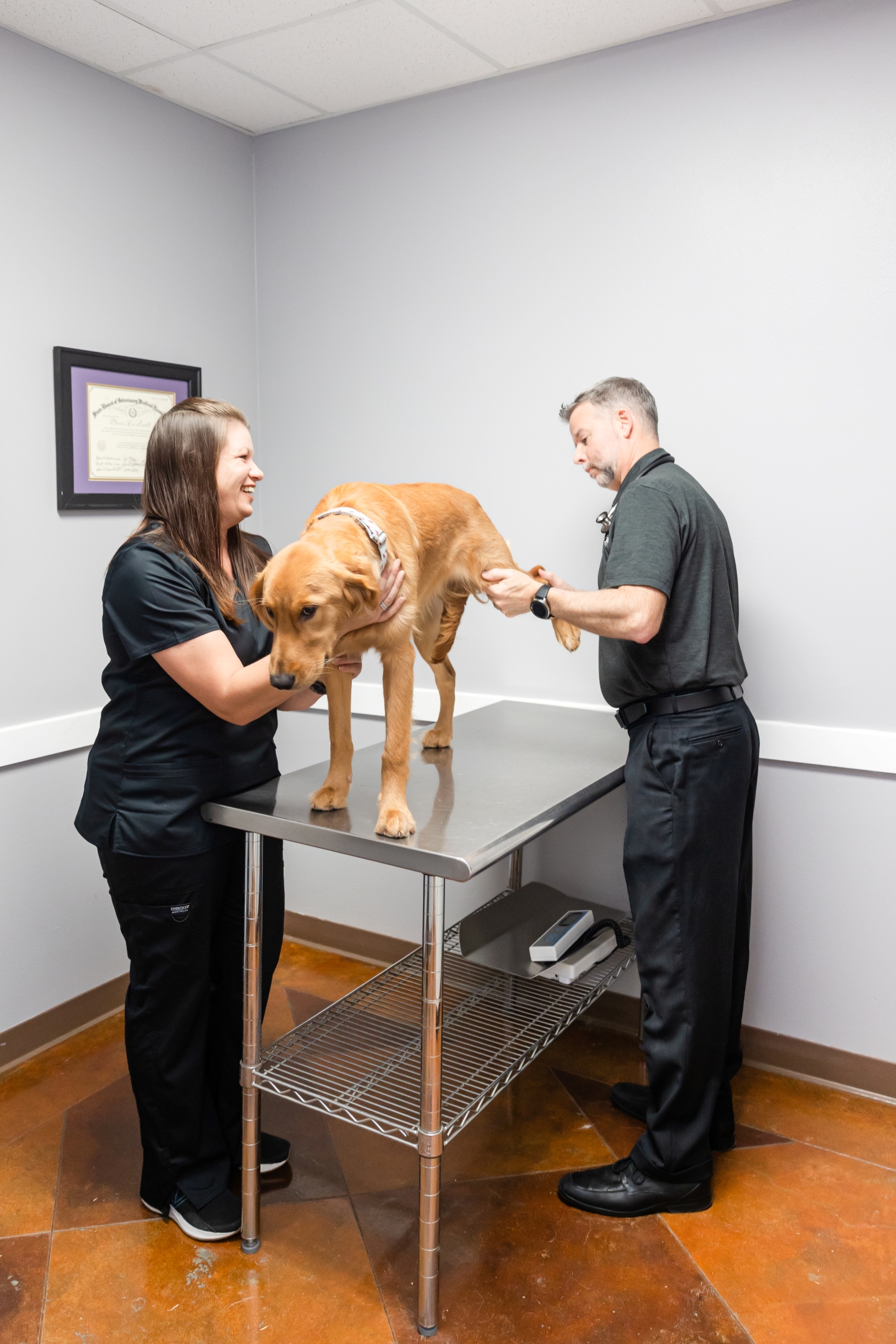
The reality of large breed feeding is that there is no one-size-fits-all answer. It is not just about calories. It is about nutrient balance, the timing of meals, the texture and digestibility of the food, and how the dog responds to the diet over weeks and months. In practice, this means a veterinarian will consider the dog’s age, weight, body condition score, activity level, and any medical history before confirming a plan. The average home has competing demands—busy schedules, budget constraints, and a range of available products. The goal remains to create a feeding plan that is nutritionally complete, practical, and sustainable.
-
Growth phase: Large breeds achieve their maximum height and muscle mass in roughly the first 12 to 18 months, sometimes longer for giant breeds. During this period, a diet formulated for growth and tailored to larger breeds can help ensure a slower, steadier rate of development than generic puppy diets. A few clients have told me their pups are voracious eaters, devouring meals in minutes. For those dogs, I emphasize consistent portion control, measured feeding times, and regular monitoring of body condition to prevent overconditioning during growth spurts.
-
Maintenance and activity: Once growth slows, the conversation shifts to maintaining lean mass and preventing body condition drift. A dog that remains highly active may require more calories, while a less active animal benefits from a more conservative intake. I’m careful to consider morning walks, afternoon play, and any sports activities your dog participates in. In many cases, I’ve found that adjusting feeding frequency and portion size, rather than switching foods entirely, can yield meaningful improvements in energy levels and overall comfort.
-
Senior considerations: As joints age and metabolism shifts, seniors often benefit from diets that emphasize joint support, easier digestibility, and controlled calories to avoid obesity. Some dogs develop dental issues that affect chewing, which can influence the choice of texture and meal timing. In my practice, I often recommend senior diets with moderated fat content and enhanced omega-3 fatty acids, paired with appropriate dental care routines.
In this article, I’ll unpack practical guidelines that I have found useful for large breed dogs and share how we approach nutrition counseling at Prairieville Animal Hospital veterinarian clinics. I’ll also highlight common misconceptions and the trade-offs that come with real-world choices. The aim is not to prescribe a universal regimen but to illuminate the decisions that turn a good diet into tangible health benefits.
The backbone of any good large breed plan is a complete and balanced diet. When I speak with clients, I emphasize three core aspects: protein quality, mineral balance, and digestible energy. Protein is essential for muscle development and maintenance, particularly in growing puppies and active adults. In large breeds, a protein level that supports lean mass without encouraging excessive growth is often appropriate. The quality of the protein matters as well, with animal-derived proteins generally offering a more complete amino acid profile than many plant-based sources. However, I don’t dismiss high quality plant proteins outright; some dogs tolerate blends very well, especially when formulated by reputable manufacturers with transparency about ingredients and nutrient targets.
Mineral balance, especially calcium and phosphorus, requires careful attention in growing large breed dogs. Overly aggressive calcium supplementation during growth can contribute to skeletal issues such as osteochondrosis and certain dysplasias. That is why I tend to recommend diets formulated for growth that meet established guidelines for calcium and phosphorus ratios, paired with appropriate feeding amounts based on body weight and growth trajectory. For seniors, the mineral balance shifts away from rapid bone development toward maintaining bone density and supporting kidney health, more nuanced goals that influence nutrient selection.
Digestible energy is the energy the dog can actually use from the food. It’s shaped by the food’s macronutrient composition, fiber content, and the dog’s digestive efficiency. Large breeds can be sensitive to dietary changes, so gradual transitions are essential. I’ve learned to watch how gut tolerance evolves over a two-week window when switching foods, extending the transition period if there are signs of GI upset or stool irregularities. The right energy level keeps a dog content between meals, supports healthy weight, and reduces the risk of digestive discomfort, especially in dogs with sensitive stomachs.
In our clinical notes at Prairieville Animal Hospital veterinarian clinics, I’ve seen a practical pattern emerge. Families who track body condition scores and adjust portions accordingly tend to achieve more stable weights and better energy management than those who rely on a single bag’s feeding guidelines. The body condition score is a simple, repeatable way to quantify whether a dog is underweight, ideal, or overweight. For large breeds, aiming for a lean frame that still looks athletic is typically preferred, as it places less stress on the joints and helps sustain mobility into later years.
A frequent pitfall I encounter is the automatic assumption that more food equals more vitality. It does not. In fact, for many large breed dogs, modest energy adjustment can yield sharper activity without packing on extra pounds. The opposite is also true: when dogs experience a dip in activity due to injury or weather, their caloric intake should be re-evaluated to reflect the new lifestyle. Modern diets offer a spectrum of palatability options, but the best choice is often the one your dog will eat consistently while meeting nutritional needs. At Prairieville Animal Hospital, we encourage families to select foods that their dogs will consistently enjoy, not simply the most nutrient-dense option on the shelf.
The role of feeders in the home matters, too. We see a range of feeding schedules, from free feeding to strict meal times. For large breed puppies, I generally recommend two or three meals per day to help regulate growth and digestion. As dogs mature, many families shift toward twice-daily feedings, which tends to support consistent energy and appetite regulation. For dogs prone to bloat or certain gastric issues, smaller, more frequent meals can be a practical step. The key is to monitor how your dog responds, adjust gradually, and maintain a predictable routine. A chaotic feeding pattern can undermine even the best diet by triggering stress or overeating at mealtime.
Texture and digestibility play a role that often goes unseen until a dog develops dental issues or exhibits GI sensitivity. Large breeds frequently tolerate moderately textured kibble or gently cooked meals better than very hard, oversized chunks. Some owners opt for a combination of dry kibble and a top-dressing of moisture-rich toppers to encourage appetite without compromising the dietary balance. For dogs with sensitive stomachs or occasional loose stools, I recommend a more limited, easily digestible formula and a mindful introduction of probiotics when appropriate. The goal is to support a stable gut microbiome while ensuring the dog can efficiently extract nutrients from the food.
In practice, I’ve found that owners who bring a clear, honest history to the table make it easier to craft an effective plan. That means sharing the dog’s current weight, a recent photo or two to assess body condition, any observed changes in energy level, appetite, or stool consistency, and a honest appraisal of the dog’s exercise routine. Small details matter—whether your dog Guthrie is a powdery-white coat with a noticeable prosthetic hip or your rescue dog with a long history of GI sensitivity. Every anecdote informs the dietary choice, and every adjustment earned through observation becomes part of the patient’s long-term care plan.
Two lists can help distill the practical side of large breed nutrition, but a careful clinician’s eye must always accompany them. The first list highlights important discussion points you can bring to your Prairieville Animal Hospital veterinarian during a nutrition consult. The second list outlines red flags that may indicate your dog’s diet needs adjustment or a medical evaluation is in order. Both lists are designed to be concise anchors you can reference without losing the nuance of a tailored plan.
What to discuss with your veterinarian
- Growth rate and current weight trajectory for puppies and adolescents.
- Body condition score and any visible changes in muscle mass or fat distribution.
- Daily activity level, exercise routines, and any seasonal shifts in energy needs.
- Specific health concerns such as joint discomfort, allergic dermatitis, or GI sensitivity.
- Transition plans for new foods, including time frames and expected changes in stools or appetite.
Red flags that should prompt a recheck
- Sudden gain or loss of weight without a clear cause.
- Recurrent vomiting, diarrhea, or consistent flatulence with a poor digested stool.
- Signs of dental discomfort or trouble chewing that affect food choice.
- Lethargy or decreased responsiveness during normal activity.
- Evidence of bloat or swelling after meals, or restless behavior at feeding times.
When I speak with families about these topics, I’m careful to translate clinical language into daily life. A dog’s diet is not a rigid template; it is a living plan that adapts to growth spurts, training demands, weather, and health events. A client once described their Great Dane as a “bottomless pit” after a long period of intense exercise. We adjusted portions, refined the macronutrient balance, and added a high-quality protein source that supported lean mass without pushing growth. The improvement was measurable in better stamina for fetch sessions and boarding kennels prairieville la steadier patrolling during evening walks. It’s not magic, but it is repeatable: careful assessment, measured changes, and ongoing monitoring.
The veterinary team at Prairieville Animal Hospital emphasizes partnership with families. Nutrition counseling is a collaborative process that benefits from a calm and structured approach. We begin with a thorough history and a few objective checks: a weight measurement, a body condition score, and a quick review of the dog’s current diet and any supplements. We then discuss goals. Is the dog maintaining a senior weight with joint support? Is the puppy on the right trajectory for height and lean mass? The answers determine which product categories we consider, how we time transitions, and how we recheck progress over the ensuing weeks.
One common scenario involves a large breed that has recently become less active due to an injury or a busy household schedule. The instinct might be to reduce calories automatically, but the situation is more nuanced. The goal is often to preserve lean muscle while preventing excess weight gain as activity declines. We typically review portion control, ensure adequate protein to support tissue maintenance, and look for sources of simple, highly digestible carbohydrates to prevent gastrointestinal distress. We also evaluate vitamin and mineral content to ensure the dog remains well-nourished during a period of altered routine. And we recognize that recovery from injury may require adjustments to caloric density and meal timing to sustain energy without encouraging weight gain.
When it comes to large breed dogs, I also emphasize the practical realities of the home. Not every family has access to the same high-end foods, and not every dog will tolerate a particular brand. My stance is to prioritize a nutritionally complete product that is readily available, with clear labeling about ingredients and guaranteed analysis. If budget constraints come into play, we look for cost-effective options that still meet essential nutrient targets, and we discuss the possibility of supplementing with specific nutrients only when clinically warranted. It is important to avoid unnecessary substitutions that could compromise the dog’s growth or weight management, particularly in the critical first year of life.
Understanding the trade-offs helps families make better long-term decisions. High-protein diets often promote lean muscle, but there is a balance to maintain with calcium levels during growth. Diets that emphasize a single nutrient at the expense of overall balance can lead to unintended consequences. A well-formulated large breed diet considers the protein source, digestibility, fat content, fiber, and micronutrients in harmony rather than focusing on one metric in isolation. This holistic view is a hallmark of veterinary nutrition practice at Prairieville Animal Hospital.
In real-world settings, a few practical adjustments have repeatedly shown value. The first is portioning dinners to two or three meals per day for growing puppies. The second is monitoring the rate of weight gain month to month and adjusting volumes before the dog reaches a point where a larger adjustment is needed. The third is maintaining a predictable feeding schedule to minimize stomach upsets, especially in dogs with sensitive digestion. These steps may seem modest, yet they create a foundation that supports everything from healthier joints to better appetite and mood regulation.
A word on supplements. There is a tempting array of options: glucosamine and chondroitin for joint support, omega-3 fatty acids for anti-inflammatory benefits, probiotics for gut health, and a host of vitamins and minerals marketed for dogs. My approach is evidence-informed and conservative. I typically reserve supplements for clearly identified needs or for dogs with a veterinary plan that explicitly supports their use. For large breeds, omega-3s and certain joint-support formulas can be helpful when used thoughtfully, but I avoid routine, unsupervised supplementation without confirming the plan with your veterinarian. The risk of over-supplementation or drug-nutrient interactions is real and may undermine the intended benefits.
As you navigate nutrition for a large breed dog, you should expect a process, not a single decision. It begins with a thoughtful intake and ends with a careful follow-up. We aim to measure progress through tangible signs: weight, body composition, activity levels, stool quality, and overall well-being. We adjust plans as growth finishes, as arthritis may develop, or as new life circumstances—like a new puppy in the household or a move to a different climate—alter the dog’s energy needs. The care we deliver at Prairieville Animal Hospital rests on a simple principle: feed for health, not just for size.
The role of veterinarians at Prairieville Animal Hospital animal hospital extends beyond medication and diagnosis. It includes comprehensive nutrition planning that integrates dental health, gastrointestinal comfort, and long-term joint safety. We often coordinate with veterinary technicians and veterinary nutrition specialists to craft a plan that fits your dog’s lifestyle, budget, and health goals. That coordination helps families avoid common missteps, such as over-reliance on a single brand, inconsistent feeding times, or abrupt dietary changes that can lead to GI upset. The goal is to empower owners with practical, science-based advice that remains adaptable as life changes.
A final note about expectations and patience. Large breed dogs can be stubborn is not an iron law, but it is common for owners to feel frustrated when a dog does not respond immediately to a switch in diet. Real progress takes weeks. The initial two to four weeks establish a baseline for appetite, stool consistency, and energy. If there is no improvement or there is a new set of concerns, we assess further. The key is steady collaboration between you and your Prairieville Animal Hospital veterinarian team. Nutrition is a journey, not a sprint, and the journey is measured in better mobility, steadier weight, steadier energy, and a dog that looks and feels comfortable in daily life.
In closing, large breed nutrition is not about chasing a perfect label so much as it is about thoughtful, ongoing management. It means recognizing that dogs grow, age, and adapt. It means balancing protein with minerals to protect joints, ensuring energy aligns with activity, and choosing foods that your dog will actually eat and digest. It means partnering with a veterinary team that can translate a bag’s guaranteed analysis into a practical feeding plan and a plan for follow-up. At Prairieville Animal Hospital, we know that the right nutrition makes a robust difference in a large dog’s quality of life long before old age arrives. If you would like to talk through a plan for your large breed dog, our veterinarians are ready to listen, measure, and tailor a nutrition strategy that fits your dog’s unique story.