Preventive Pet Care Routines with Prairieville Animal Hospital
@kameronjiay444
September 30, 2026 · 13 min read
A routine around prevention does more than keep pets healthy; it builds trust between owner, animal, and the clinic. In my years working with Prairieville Animal Hospital, I’ve watched how steady daily habits, early veterinary touchpoints, and practical at-home practices translate animal hospital near me into fewer emergencies, longer lifespans, and better quality of life for furry family members. This piece lays out a practical framework you can adapt, built from real-world experience, not marketing.
A preventive program starts with the human side of care. If you think of prevention as a map rather than a checklist, you’ll see how each stop on the route informs the next. It’s not simply about vaccines or annual exams; it’s about rhythm, routines, and a shared language with your vet team. At Prairieville Animal Hospital, we see a wide spectrum of pets and we understand the constraints many households face. Time, budget, apartment living, and the quirks of each animal all shape how a prevention plan actually lives in day-to-day life.
The backbone of preventive care is predictable, guided contact. When you know your pet will enter our doors at regular intervals, you gain a reliable gauge of their health. That cadence lets us catch subtle shifts early: a slow gain in weight that signals thyroid or metabolic changes, a thinning coat that suggests allergies or parasites, a behavioral shift that hints at pain you might otherwise miss. Each discovery becomes actionable because it is anchored to a predictable schedule.
Vet visits are about more than vaccines. They’re diagnostic touchpoints, yes, but they’re also opportunities to tune the home routine. You might leave with a plan for dental care integrated into weekly brushing, or a reminder to adjust a kid-friendly meal plan when a senior cat’s appetite changes. The conversations are grounded in what you can realistically maintain, not in what would be ideal if time and money were unlimited. The most durable preventive care is pragmatic, with room for the unexpected.
In the end, prevention is a partnership. It requires honesty about what’s happening at home, what you can sustain, and where you want your pet to be in three to five years. That shared map is what lets both parties sleep a little easier at night. As we move through the sections, you’ll find practical, field-tested routines organized around real-life routines—morning, midday, and evening habits that set a foundation for lifelong health.
A practical approach for every life stage
Every age brings its own priorities. Puppies and kittens demand vaccines, parasite control, and early socialization guidance. Adult pets benefit from steady monitoring, dental care, and weight management. Seniors require closer attention to organ systems, pain control, and quality of life measures. The throughline is consistency. The more predictable the care pattern, the more reliable the health outcomes.
For the young animals, the first year feels like a sprint, and rightly so. The window for establishing immune protection, proper dental development, and shape of neck and back muscles is narrow. A steady schedule of vaccines, deworming, flea and tick prevention, and microchip status updates is essential. It’s also the time to build good home habits that will carry forward. A young pet that learns to tolerate nail trims, brushing, and gentle handling is going to be easier to care for over a lifetime.
In midlife, the focus shifts toward maintenance. Weight control becomes more complicated as metabolism shifts and activity levels vary with weather or changing routines. Dental health emerges as a major driver of comfort and appetite. Regular blood work can catch subtle metabolic changes before they impact energy, coat quality, or behavior. The conversations with your veterinarian tend to be about tailoring diets, adjusting exercise, and refining preventive medications to suit a changing body.
Older pets deserve extra attention to comfort and function. Pain management becomes a daily topic, even when visible signs are subtle. Kidney, liver, and thyroid function may change gradually and require monitoring. Mobility concerns, arthritic changes, and dental wear all shape how you plan the day. The best preventive approach for seniors blends proactive screening with practical accommodations at home. It’s about sustaining independence as long as possible.
Structures that support prevention
A robust preventive program rests on a few pillars that you can rely on, season after season. The most successful plans align with your pet’s physiology and your household rhythm. They also balance the science of veterinary medicine with practical behavior you can sustain. The rest of this article weaves together routines, decision points, and concrete examples from day-to-day clinic life.
The first pillar is a predictable appointment cadence. Twice a year is a common anchor for many adult pets, with a third visit added if a health concern arises. For senior pets or those with chronic conditions, more frequent check-ins may be indicated. The goal is not to fill calendars but to create touchpoints that reveal trends before they become crises. A simple way to structure this is to set reminders for vaccines, dental cleanings, and annual blood work in a way that aligns with your pet’s birthday or a significant seasonal milestone. When you carry that rhythm with you, you’ll notice fewer gaps that allow problems to hide.
The second pillar is a practical at-home routine that complements clinic care. At-home maintenance is the currency of preventive medicine. It includes daily brushing, weekly nail trimming on routine-shedding pets, consistent flea and parasite prevention, and a predictable feeding regimen. It also means keeping an open line of communication with your veterinary team about anything unusual—skin changes, appetite fluctuations, unusual sleep patterns, or a limp that appears after a long walk. The more you practice consistent daily care, the more accurate the self-assessed picture you bring to the appointment.
The third pillar is a clear plan for behavior and environment. Pet health is inseparable from living space and daily activity. A dog that runs leash-free in a busy yard, for example, needs parasite prevention timed to the life cycle of local ticks, as well as a physical check for injuries after each busy day. A senior cat living with daily stairs and multiple litter boxes requires accessible resources and monitoring for urinary issues as well as dental care. Matching environments to health needs reduces the wear and tear that leads to preventable problems.
The fourth pillar is the alliance with your veterinary team. You’ll get better results when your approach is collaborative and honest. That means sharing details that would feel private with a human partner—sleep schedules, exercise intensity, appetite changes, and even your own stressors that could affect how you care for your pet. Prairieville Animal Hospital listens. We aim to translate a lot of information into practical steps you can actually implement at home.
Two clear paths to concise routines
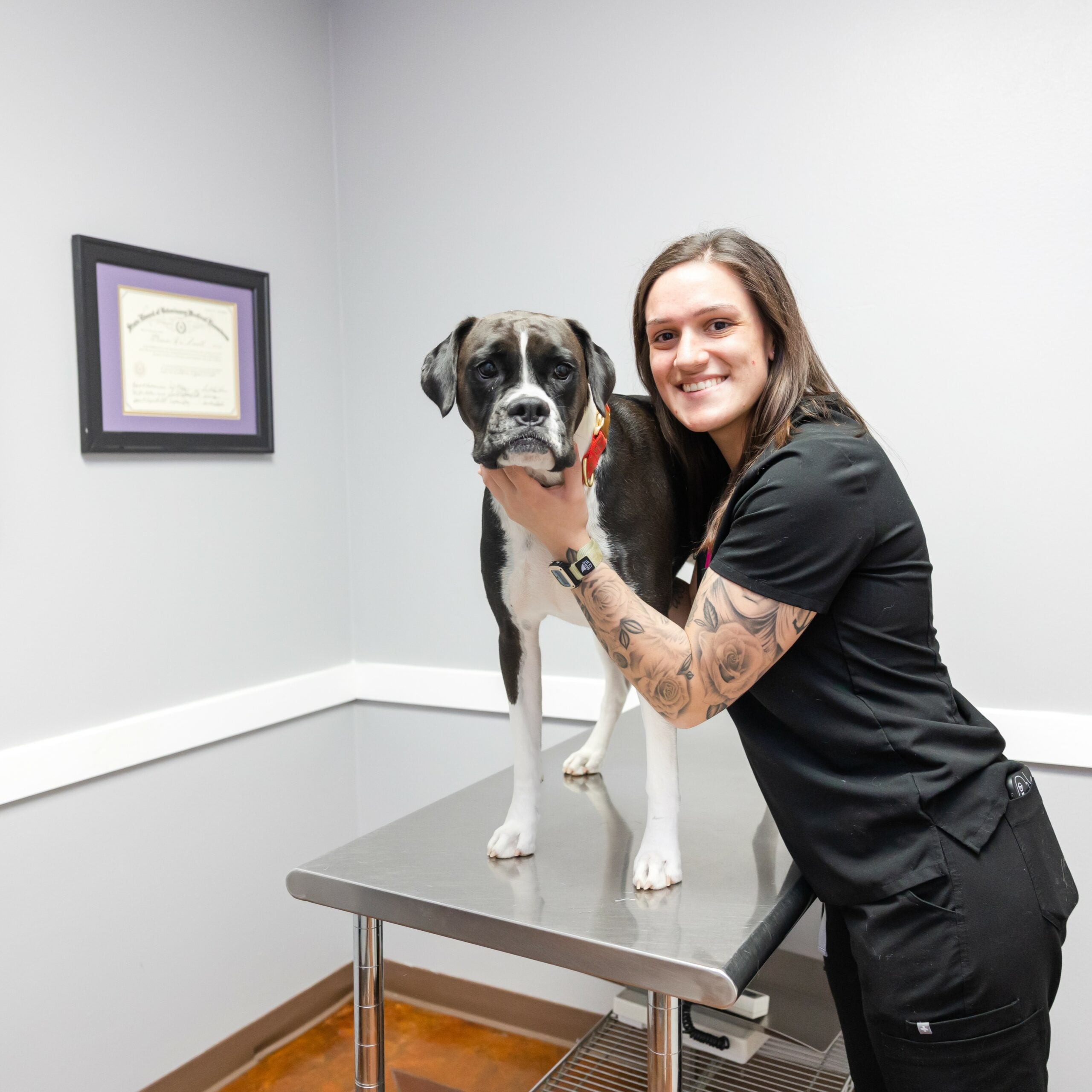
As you read through, you’ll encounter two practical lists that crystallize essential routines. They’re not meant to be exhaustive, but they do capture the patterns I’ve relied on in almost every case I’ve handled. Use them as a starting point, then tailor the specifics to your pet, budget, and schedule.
-
Foundational preventive care elements
-
Vaccination planning aligned with age and exposure risk
-
Regular parasite prevention and fecal checks
-
Weight management and nutrition optimization
-
Routine dental care and oral health monitoring
-
Monitoring and screening tests tailored to life stage
-
Steps for establishing a sustainable routine

-
Set a predictable weekly schedule for brushing, nail care, and exercise
-
Schedule veterinary visits and reminders a few weeks in advance
-
Create a simple at-home tracking method for appetite, energy, and mobility
-
Establish a designated space for grooming and daily care tasks
-
Build a plan for seasonal changes in heat, cold, and outdoor access
These lists are designed to stay compact while still delivering practical value. They act as quick reference points to keep a preventive strategy moving forward when daily life gets busy.
The practical core: daily care that honors the animal’s comfort
In practice, prevention lives in small, repeatable actions. A lot of this is about reducing friction: making it easy to do the right thing every day, even when you’re tired or pressed for time. That can mean choosing a single, reliable dental product and using it consistently, or setting up a grooming station that makes nail trims less stressful for both you and your pet. The details matter.
Dental health is a case in point. We tend to underestimate how much dental wear contributes to overall well-being, appetite, and energy. Regular brushing is the cornerstone, but it’s not the only component. A diet that includes dental-friendly textures, dental treats without sugar spikes, and routine professional cleanings when indicated all play into a clean mouth and a comfortable bite. A pet that grinds or drags food may be signaling pain or an issue worth investigating. Quick checks at home can reveal a lot: red gums, tartar buildup, or persistent bad breath. Addressing these early reduces the chances of more invasive interventions later.
Nutrition sits at the crossroads of health, behavior, and energy. The right diet for a particular life stage is not abstract. If your young spaniel is growing too fast, you may need to recalibrate portions to avoid stress on joints. If your senior cat has renal concerns, a diet tailored to kidney support can improve quality of life. We often work with clients to adjust portions, choose higher quality protein sources, and monitor body condition scores over time. Small, monthly adjustments beat large, abrupt changes that pets resist.

Parasite prevention is another quiet performance driver. Fleas and ticks do not respect our schedules. But a steady routine with monthly preventives and seasonal screening can keep infestations at bay. The goal is to prevent discomfort, allergic reactions, and, in some regions, vector-borne diseases. The routine becomes part of your monthly budget and calendar, not a burden you only realize you forgot after a problem arises.
Exercise and environmental enrichment keep joints flexible, mood balanced, and weight in check. This is not about turning your living room into a gym; it’s about embedding movement into daily life. Short daily walks, puzzle feeders, and safe playtime can accumulate into meaningful health benefits, especially for dogs who are prone to energy surges or cats that benefit from vertical exploration. You’ll notice improvements in appetite regulation, sleep quality, and behavior when activity aligns with the animal’s needs and personality.
An honest moment about vaccines and checkups
Vaccines sometimes feel routine, almost administrative. Yet they are a core investment in disease prevention. The schedule is usually age and exposure driven, and we tailor it to your pet’s history and risk profile. Likewise, annual or semiannual checkups are not just for vaccines. They’re a time to review trends, discuss any new medical concerns, and adjust the plan as needed. In some cases, we’ll recommend a blood panel or urine test to screen for issues that won’t show obvious symptoms at home. Those tests aren’t designed to alarm you; they’re designed to catch quiet problems before they become visible burdens.
Senior pet care: anticipating declines without surrendering independence
When a pet crosses into senior years, early detection becomes a quiet superpower. We start conversations about mobility aids, pain management, and cognitive aging, which can masquerade as mood changes or appetite shifts. A practical approach is to coordinate a monthly or quarterly review of weight, energy, grooming needs, and bathroom habits. If we notice a trend—weight loss with normal appetite, or reduced activity—there’s a clear path: adjust the diet, explore joint-support supplements, and consider a pain management plan. The aim is to keep days comfortable and predictable, even as some functions fade.
A note on boarding and care coordination
If you travel, you’ll want clear lines of communication about how prevention translates into a temporary routine. Boarding should not be a gap in care. At Prairieville Animal Hospital, we aim to reproduce consistent routines as closely as possible in temporary settings. That means keeping a familiar feeding schedule, ensuring medications are administered correctly, and providing a level of enrichment that matches your pet’s temperament. A good boarding plan includes a pre-visit to understand your pet’s routine, a contingency plan for illness, and updated vaccination records to reduce exposure risks. For pet owners, this approach minimizes stress during travel and ensures continuity in preventive care even when you’re away.
Partnering with Prairieville Animal Hospital for long-term planning
A preventive program is not a static document. It is a living plan that evolves with your pet. The clinic’s role is to translate veterinary science into actionable steps that fit your life. We aim to reduce ambiguity: you’ll know what you’re measuring, why you’re measuring it, and how you’ll adjust when results change. This is about clarity and support, not friction or alarm.
In practice, this means an annual or biannual plan that begins with a candid assessment of your pet’s current health and ends with a concrete schedule for the coming year. We’ll propose checkups, dental cleanings, and screening tests at intervals that reflect age, risk, and lifestyle. You’ll leave with an explicit plan for home care, including how to monitor for warning signs and what to do if you notice something unusual. The goal is to empower you to keep your pet healthy with confidence.
A few reminders to keep prevention practical and realistic
-
Consistency beats intensity. A small daily routine is more powerful than a strenuous weekly blitz. Set a simple rhythm you can maintain.
-
Document what matters. A basic log of appetite, energy, weight, and bathroom habits helps identify trends early.
-
Communicate openly with your vet team. Share changes in behavior, sleep, or mobility even if they seem minor. Small details can signal meaningful shifts.
-
Be mindful of edge cases. Some pets tolerate a routine beautifully, while others push against it. Adaptation is part of prevention.
-
Plan for life changes. A new job, a move, or the arrival of a baby can disrupt routines. Build buffers into your plan so care remains steady.
A practical endnote
Preventive pet care is a disciplined practice married to everyday generosity. It’s not flashy, but its payoff is measurable: fewer emergencies, steadier energy, and more days of comfortable companionship. Working with Prairieville Animal Hospital, you get a partner who understands the nuances of real home life—the schedule you battle to protect, the budget that requires respect, and the small concessions that keep a pet from slipping through the cracks.
If you’re looking for a clinic that approaches preventive care with both rigor and pragmatism, consider the ongoing dialogue we can build together. We will tailor the plan to your pet’s life stage, temperament, and your household realities. You’ll hear clear recommendations, and you’ll see how each choice aligns with a broader goal: a long, healthy life for your best friend.
In the end, prevention is not a single action, but a pattern that travels with you. It grows out of routine, feedback, and the shared trust that comes from a steady, honest relationship with your veterinarian. It’s the quiet, consistent work that unbuttons fear and makes room for more days together, full of energy, comfort, and companionship. That is the heart of preventive care at Prairieville Animal Hospital.