Vaccinations for Pets Prairieville Animal Hospital: Vet-Approved Schedules
@kameronjiay444
September 30, 2026 · 12 min read
Vaccination protocols sit at the intersection of medicine and daily life. At Prairieville Animal Hospital, we treat vaccines as a foundation of preventive care, not a one-size-fits-all formality. The goal is steady, practical protection that fits each animal’s risk profile, lifestyle, and medical history. Over years of seeing puppies, kittens, adult pets and seniors walk through our doors, one pattern has become clear: a thoughtful schedule grounded in current evidence makes vaccines easier to manage for families and more effective for patients.
What vaccines do for a pet goes beyond a simple shot in the arm. They reduce the likelihood of severe illness, cut the chances of community transmission, and often keep pets out of urgent care. Yet vaccines are not a checkbox to be completed and forgotten. They require clear timing, occasional adjustments for health status, and honest conversations about risks and benefits. The following guide reflects real-world practice at Prairieville Animal Hospital, incorporating what we’ve learned from hundreds of wellness exams, spay and neuter visits, pet surgery consults and dental care appointments. It is practical, not theoretical, and it aims to help families plan with confidence.
Why vaccines matter in daily life
Preventive care starts at home, but vaccines are the clinic’s most reliable bulwark against contagious diseases. In our practice, vaccines are paired with yearly wellness exams, dental checks, parasite prevention and nutrition counseling. The concrete benefits show up as fewer veterinary visits for preventable illnesses, smoother recovery if a pet does encounter an infection, and, for many families, peace of mind. We see puppies who respond to core vaccines with a strong immune response and kittens whose early protection reduces the risk of felines infectious diseases later in life. We also respect the realities of busy households. A predictable schedule, with reminders and clear timing, helps parents juggle work, daycare pickups and travel.
A practical note on scheduling
In Prairieville, vaccine visits are integrated into broader wellness planning. We don’t view vaccines as a stand-alone obligation; they are part of an ongoing conversation about nutrition, dental health, behavior, and activity level. Our team uses the same appointment spaces for vaccines as for wellness exams and dental cleanings, which makes the day less disruptive for families. We emphasize clear communication: what vaccines are recommended, why they’re recommended, and what to expect after vaccination. We also discuss what happens if a pet has a mild reaction, such as temporary soreness at the injection site or a fleeting fever, and we lay out simple steps for monitoring.
Core principles that guide our schedule
- Start early and protect early: puppies and kittens receive vaccine series that build protection in their first months of life. Early protection reduces the window of vulnerability when these young patients are most at risk.
- Maintain annual or semi-annual reinforcement: immunity wanes over time, and boosters help sustain protection.
- Balance risk and exposure: some pets have higher exposure risk due to outdoor activity, boarding, grooming, or traveling. For them, we may tailor the schedule slightly to ensure consistent protection.
- Consider health status: certain medical conditions may adjust vaccine timing or type. We review vaccination decisions during wellness visits with attention to liver or kidney function, immune status, and current medications.
- Pair vaccines with other care: wellness exams, dental care, and preventive parasite control create an efficient, holistic visit that minimizes repeated trips.
Two essential lists you’ll see in this guide
- Core vaccines for dogs
- Core vaccines for cats
These lists are concise, practical, and grounded in day-to-day clinical experience. They are not the entire story, but they provide a reliable baseline that families can expect to discuss during a wellness visit at Prairieville Animal Hospital.
Core vaccines for dogs
Puppies receive a core vaccine series that’s designed to establish robust immunity by the time they’re ready to roam the yard, park, or neighborhood. In our clinic, we typically start the dog vaccine conversation at about six to eight weeks of age, with boosters at intervals that align with immune system development and local disease risk. The goal is consistent, long-lasting protection without overwhelming the immune system with unnecessary injections.
The canine core vaccines cover several high-risk diseases. At Prairieville Animal Hospital, the following vaccines are considered core for most dogs, unless a veterinary clinician has reason to tailor the plan based on age, health status, or exposure risk:
- Distemper vaccine
- Adenovirus type 2 vaccine (a component of the commonly used CAV-2 distemper combo)
- Parvovirus vaccine
- Rabies vaccine
Beyond the core set, we discuss noncore vaccines for dogs, which are recommended based on lifestyle and risk. These can include vaccines for Bordetella bronchiseptica (kennel cough), leptospirosis, or others if a dog has specific exposure risk such as frequent boarding, daycare, or exposure to wildlife. Our approach is to present the benefits, potential side effects, and the feasibility of adding these vaccines into the routine without creating scheduling conflicts or unnecessary repetition.
For puppies and adolescent dogs, a typical approach looks like this in clinical practice:
- Start series around 6–8 weeks
- Booster every 3–4 weeks until 16 weeks of age
- Rabies vaccination given at the appropriate age per local regulations
- Adult dogs: boosters every 1–3 years depending on the vaccine brand and the local disease risk
In adult dogs with unclear vaccination history, we may perform a short re-start to ensure core protection remains intact, rather than assuming immunity for several years without evidence.
The cat perspective on core vaccines
Cats face different disease profiles, but the core concept remains the same: protect against highly contagious, life-threatening diseases with a reliable vaccine schedule. At Prairieville Animal Hospital, we discuss core vaccines for cats with the same respect for practicality that guides canine care. The feline core vaccines commonly recommended include:
- Feline viral rhinotracheitis, calicivirus, and panleukopenia (the FVRCP combination)
- Rabies vaccine
Cats also have noncore vaccines that are advised based on lifestyle. Indoor-only cats may require fewer vaccines than those with outdoor access or who have contact with other cats via boarding or shelter exposure. We tailor the discussion to the individual cat, balancing the risk of exposure with the invasiveness of vaccines and the pet’s health status.
A practical note about scheduling feline vaccines involves early protection while avoiding unnecessary repetition in low-risk indoor cats. For kittens, the series is started early and completed over several weeks, with annual or triennial rechecks depending on the vaccine type and local guidelines. Adult cats with unknown history are evaluated for baseline immunity and then brought onto a maintainer schedule similar to dogs, adjusted for age and broader health considerations.
Wellness exams and vaccines: a seamless partnership
A pet wellness exam at Prairieville Animal Hospital is more than a vaccination visit. It’s a constructive, forward-looking conversation about how vaccines fit into the broader arc of a pet’s health. The exam includes a physical assessment, behavior cues, dental check, and parasite prevention plan. If a pet is due for vaccines, the clinician uses the wellness visit to explain the rationale, answer questions, and align the schedule with other care needs, such as dental scaling or nutrition review.
We’ve found that this integrated approach yields a smoother experience for families. It reduces the number of separate trips required, minimizes stress for the pet by combining essential care into a single visit when appropriate, and reinforces the idea that vaccines are one component of ongoing health management rather than a one-off event.
Spay and neuter and the vaccination schedule
Spay and neuter procedures often align well with vaccination schedules but are not strictly dependent on them. In practice, we coordinate timing to minimize anesthesia risk and ensure immune protection is in place at the time of procedures that may involve exposure risk. The veterinary team reviews the patient’s vaccine status before surgery and, if needed, completes essential vaccines beforehand or defers certain non-core vaccines until the post-operative period when the animal has recovered and regained normal activity.
Pet surgery coordination sometimes influences how vaccine boosters are scheduled. For example, if a pet is scheduled for a procedure and a vaccine is due soon after, we’ll discuss whether to combine the visit or reschedule to maintain a gentle sequence that respects the animal’s comfort and recovery needs. This careful coordination helps prevent vaccination day anxiety for families and pets alike.
Monitoring for side effects and what to expect
Most vaccines generate no reaction or only minor, transient soreness at the injection site. In some instances, a pet might show mild fatigue, reduced appetite for a day or two, or a low-grade fever. More rarely, an allergic reaction can occur, presenting as facial swelling, hives, vomiting, or difficulty breathing. The Prairieville team prioritizes rapid assessment and clear family instructions if any signs arise after a vaccine. In practice, we emphasize observation after the first dose of a new vaccine, especially in puppies and kittens, and we document any reaction carefully. The goal is to recognize patterns early and adjust future vaccination plans without compromising protection.
Practical planning tips that help families
- Use calendar reminders: vaccinations work best when families can anticipate them. We provide clear timelines during wellness visits and often help families set up reminder prompts for the recommended intervals.
- Keep a health history ready: bring recent medical records, including any prior vaccine reactions, to your appointment. This helps the clinician tailor the plan with real context.
- Understand the local landscape: local disease pressures may influence whether a vaccine is considered core or noncore for a pet. Prairieville Animal Hospital keeps up-to-date with state and regional guidance to adapt the plan as needed.
- Plan around travel or boarding: if travel or frequent boarding is a factor, consider vaccines that protect against exposure in those settings. We walk through the practicalities of timing relative to trips to minimize stress and maximize protection.
- Maintain a stable routine: consistent feeding, exercise, and dental care complement vaccine protection by supporting overall immune health.
A look at the practical schedule map
To make this tangible, here is a representative, non-binding snapshot of how a typical annual cycle might look for a healthy adult dog with regular indoor outdoors exposure, and a healthy indoor cat with occasional outdoor access. This is not a rigid protocol, but it demonstrates how the calendar can unfold in a busy household with predictable gaps that align with wellness care.
- Dogs: annual distemper and parvovirus booster, rabies at the required interval, optional Bordetella depending on exposure, annual wellness exam with dental check and parasite prevention.
- Cats: annual FVRCP booster, rabies as required, optional noncore vaccines if the cat has increased exposure, annual wellness exam including dental assessment and parasite control.
A note on variability and edge cases
Each pet is a unique patient. We see seniors with waning immune function who benefit from a modified vaccine schedule and more frequent wellness visits. We see animals with chronic illnesses where immune response may be blunted or where certain vaccines are deferred until stability is achieved. We also encounter puppies and kittens with imperfect maternal antibody waning, which can extend the vaccination window and require closer monitoring. In all cases, the guiding principle is transparent communication: what do we know about the patient today, how confident are we about the immune response, and what practical steps minimize risk while preserving protection?
The role of the veterinary clinic in prairieville
Prairieville Animal Hospital aims to be a reliable partner in the long arc of a pet’s life. Our vaccination approach is grounded in evidence from veterinary medicine and shaped by the realities of life in our community. Families come to us with questions about whether vaccines are truly necessary, how often to revisit boosters, and how vaccines interact with other treatments. We respond with precise information, backed by clinical experience, and with a willingness to adjust plans as we learn more about a patient’s health and lifestyle.
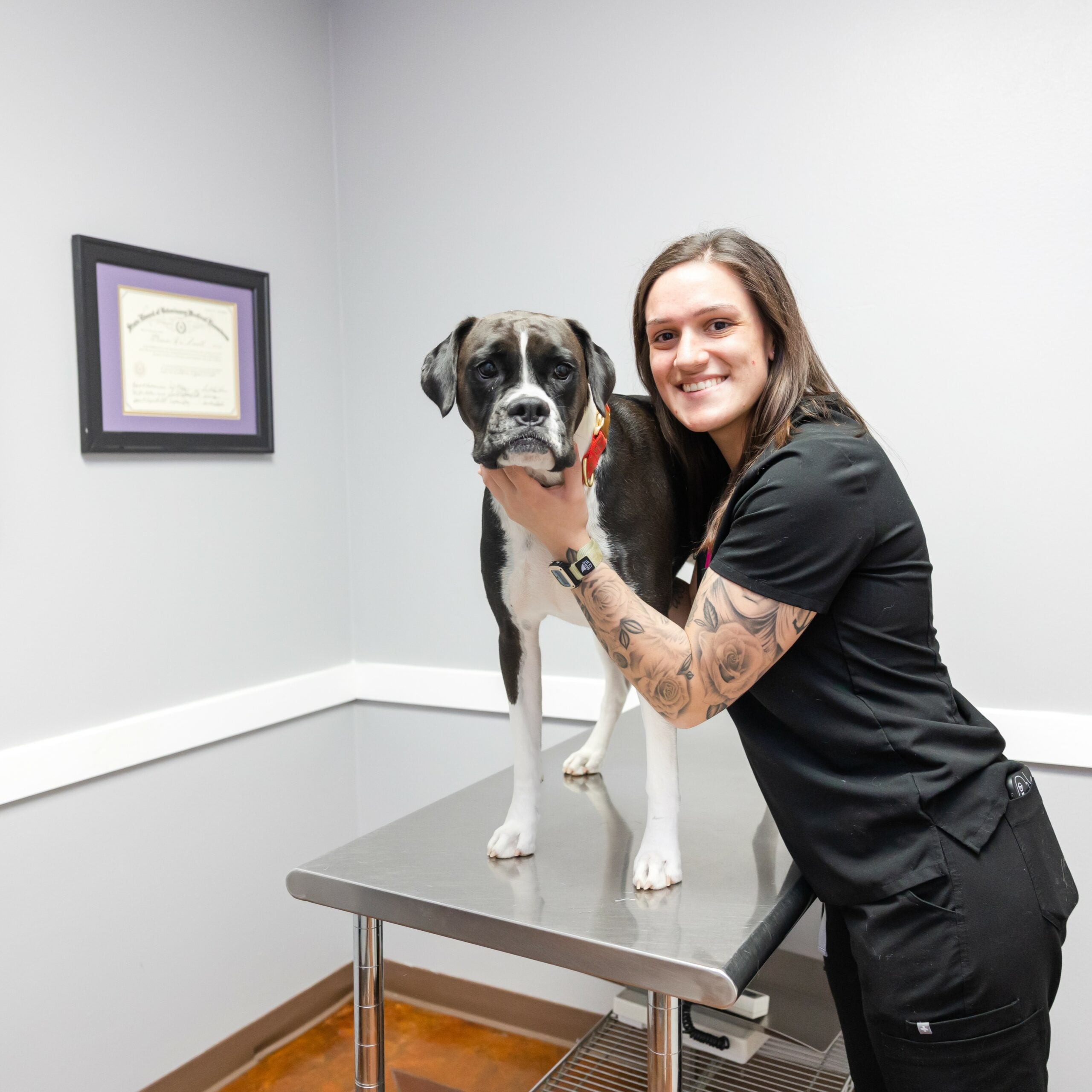
In the end, the schedule is not about a series of injections, but about a pathway to durable health. It is about balancing the science of immunology with the art of practical care. It is about making sure that every shot has a purpose and that every visit builds toward a healthier, happier pet and a less stressful life for the owner.
Spreading the word through care, not confusion
We strive to keep conversations simple and concrete. When a family asks for a vaccination plan, we present the core goals and the practical steps to achieve them. We explain the rationale behind each vaccine, outline the expected timeline, and provide a clear sense of what happens if a schedule is disrupted by illness, travel, or life events. Our aim is not to overwhelm but to empower families to make informed decisions.
Quality and safety as everyday standards
Strict vaccine storage, handling, and administration protocols are part of Prairieville Animal Hospital’s baseline. We monitor cold chain integrity, verify vaccine lot numbers, and maintain meticulous records to prevent mix-ups. The goal is to prevent disease and protect the health of patients we care for every day. This reliability matters when an owner looks across the counter and sees a team that has walked with them through wellness exams, dental cleanings, and spay or neuter surgeries.
The journey from puppy to senior
Vaccination planning is a continuous journey. The first year is about building a shield, while the subsequent years focus on sustaining it and adjusting to changing priorities. A senior pet may benefit from a conservative approach that emphasizes tolerance and consistent monitoring. Throughout, Prairieville Animal Hospital remains a practical partner, guiding families through the complexities of vaccine timing, potential risks, and lifestyle considerations with honest, clear information.
A closing note on shared responsibility
Vaccines are a shared responsibility among veterinarians, pet owners, and the wider community. Our clinic commits to transparency, ongoing education, and reasonable recommendations that see details respect the realities of daily life. We recognize that a family’s calendar is full and that a pet’s needs evolve as they age. The best schedules emerge from conversations that consider risk, exposure, health status, and the pet’s everyday rhythm.
If you are preparing for a visit to Prairieville Animal Hospital, bring any questions about vaccines you may have, along with a quick note about your pet’s recent health history, travel plans, and daily routine. We will walk you through the core and noncore options, help you understand the timing, and build a plan that supports a long, healthy life for your companion. The vaccines are not just needles; they are investments in resilience, practical protection, and confidence that your pet has the best chance to thrive at home, on walks, and in the company of loved ones.